 10 Apr 2026
Agentic AI 2026: What It Is, How It Works, and Why It’s the End of Manual Work
From Thinking to Doing: The Rise of Agentic AI. Generative AI was just the warm-up. In 2026, the real power lies in systems that don't just answer questions—they execute goals. Discover how AI Agents are transforming from chatbots into autonomous coworkers that plan, act, and optimize your business while you sleep. Welcome to the era of the "Do-engine."
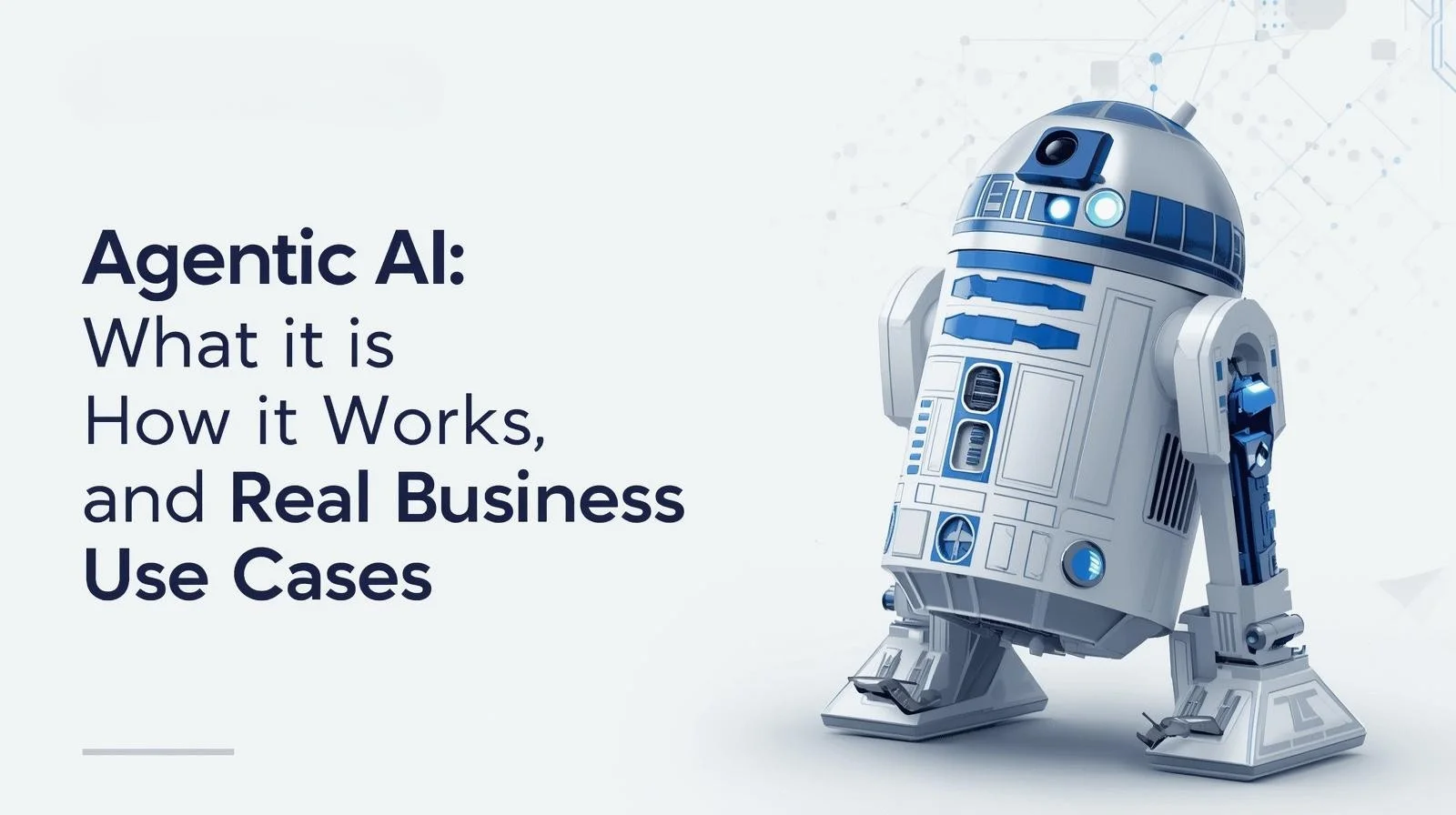
Stop Prompting. Start Delegating.
Let’s be real: Chatting with an AI is fun, but at the end of the day, you don’t want a poem about productivity—you want the work done. While the world was obsessed with Generative AI writing emails, the real architects of the future were building Agentic AI. This isn't "AI that talks"; this is AI that acts. At [Название проекта], we see this as the ultimate shift from AI-as-a-tool to AI-as-a-teammate. If you’re still manually moving data between apps, you’re living in the past.What Is Agentic AI
⚡ Key Takeaways
From Response to Action: Agentic AI doesn't wait for the next prompt; it pursues a Single Source of Truth and completes multi-step workflows autonomously.
Tool Integration: Unlike standalone LLMs, agents live in your ecosystem—calling APIs, updating your Sales Pipeline, and managing your Infrastructure Hardening.
Reasoning Loops: Agents break down complex goals into tasks, learn from errors, and adjust their strategy in real-time.
Predictable ROI: By removing the "human bottleneck" from repetitive logic, agentic systems deliver a measurable boost to your Marketing ROI.
The Anatomy of an Agent: What Makes It "Agentic"?
To understand Agentic AI, we need to look past the chat window. In the world of 2026, an "Agent" is not just a smarter LLM—it is a system designed for autonomy. While traditional AI is reactive (it waits for you), Agentic AI is proactive.
At its core, an agent is a combination of four critical components that allow it to function as a digital workforce:
The Reasoning Core: Usually a Large Language Model (LLM) that acts as the "brain." It doesn’t just predict the next word; it plans the next move.
The Toolset (Action layer): This is where the magic happens. Agents are connected to the real world through APIs, web browsers, and software integrations. They can "handshake" with your Infrastructure and execute commands.
The Memory (Context layer): Agents maintain a Single Source of Truth by remembering past interactions, learning from mistakes, and keeping track of long-term goals.
The Planning Loop: This is the "agentic" part. The system breaks down a high-level goal (e.g., "Optimize my ad spend") into a sequence of small, logical steps and executes them one by one.
The Simple Difference:
Generative AI: You ask for a travel plan; it writes a list of hotels.
Agentic AI: You give it a budget and a destination; it finds the flights, books the rooms, and sends the calendar invites to your team.
Real-World Use Cases: Where the Magic Happens
The Autonomous Marketer: An agent that doesn't just write a blog post, but analyzes your Search Intent, publishes the post, and then tracks its performance in GSC (just like our idea with Руслан-Турецкий!).
The Invisible Support Ops: Beyond chatbots. These agents access user history, process refunds, and update SaaS Marketplaces records without a human in sight.
Infrastructure Guardian: Agents that monitor Server Uptime and perform Infrastructure Hardening the moment they detect a vulnerability.
The "Human" Perspective: Risks and Sovereignty
Is it scary? Only if you don't have a plan. In 2026, the risk isn't "AI taking over"; it's "Misaligned Goals." If you tell an agent to "increase traffic" without constraints, it might buy a million bot visits.
The secret to success is Human-in-the-loop (HITL). You set the mission, you provide the guardrails, and you reap the ROI. You are the Architect; the Agent is the Builder.
Agentic AI vs. Generative AI: The Final Verdict
Feature | Generative AI | Agentic AI |
Output | Content (Text/Images) | Actions & Results |
Interaction | Prompt -> Response | Goal -> Execution |
Autonomy | Zero (Needs you) | High (Operates solo) |
Business Value | Efficiency |
Final Thoughts: Your New Digital Workforce
Agentic AI represents the most significant shift in software since the cloud. We are moving from tools that require constant input to systems that provide constant output.
Don't just watch the evolution—architect it. Start small, identify your biggest "human bottleneck," and deploy your first agent. The future isn't coming; it’s already working for your competitors. Is it working for you?
Looking for AI tools and platforms to build or use agentic systems?
Use the search below to explore AI tools, automation platforms, and SaaS products that can help you implement agentic AI in your workflows.


Be the first to comment!